
CarFinder
A phone app that remembers where you parked.
Android MVP complete; production version in development planning
Why I built it
A few years ago, I wanted to build a car finder for forgetful people, like my 85-year-old mother, who still drove just fine but sometimes couldn't remember where she'd parked.
The basic idea seemed simple: detect when you're driving, recognize when you've parked, save the location, and guide you back to it later.
As it turned out, the problem was more complicated than that. The phone has to distinguish parking from ordinary stops, determine when a location is reliable enough to save, and guide you back using GPS and compass data that aren't always precise.
I initially tried building the application in .NET MAUI. Eventually, I abandoned that attempt.
When I began retooling my skills for AI-assisted development, I found a new reason to revisit the project: GitHub Spec-Kit offered a way to develop the application through a structured, specification-driven process. CarFinder became an ideal project for putting that approach to the test.
What it does
CarFinder is designed to remember where you parked and help you find your way back.
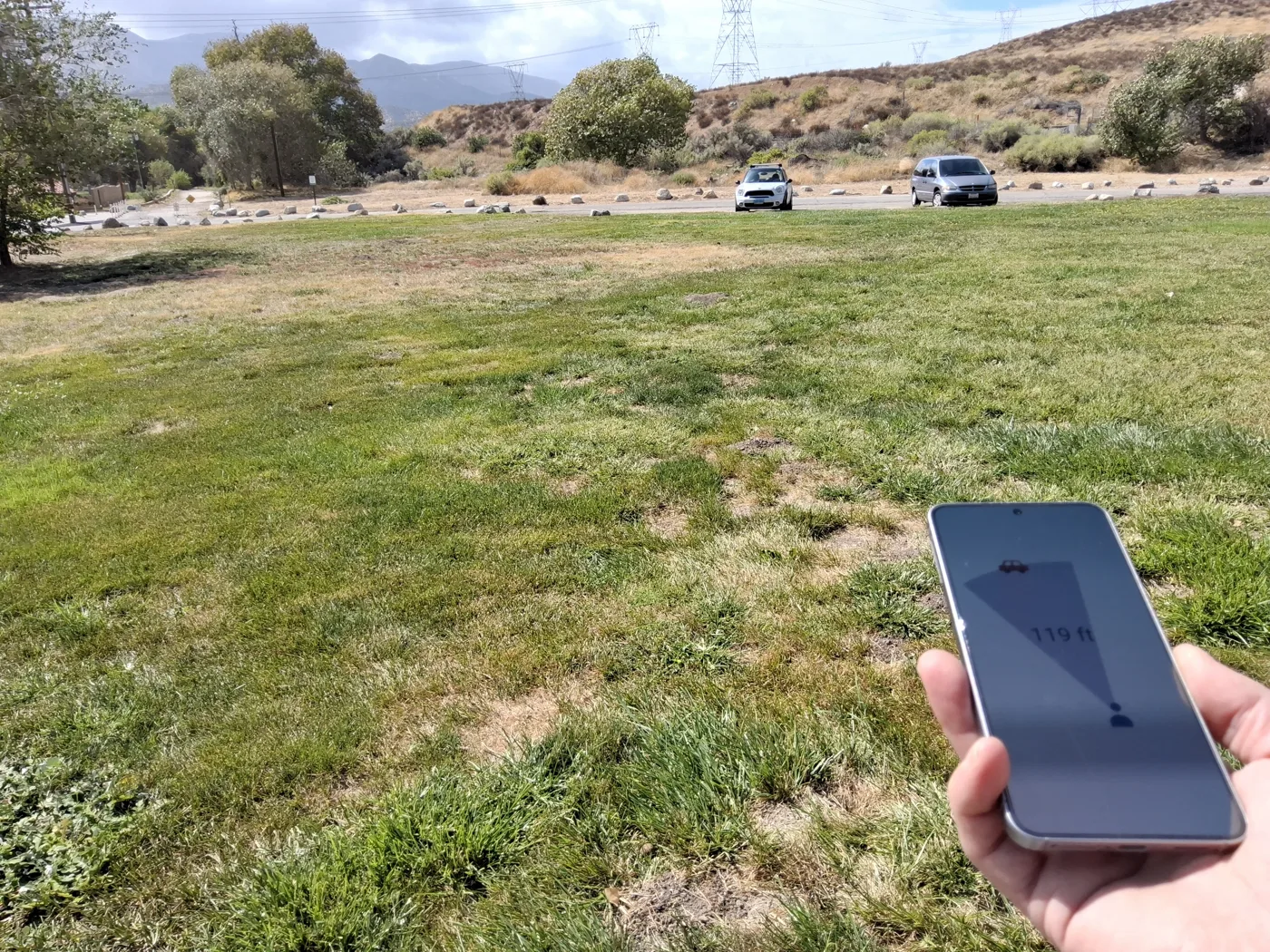
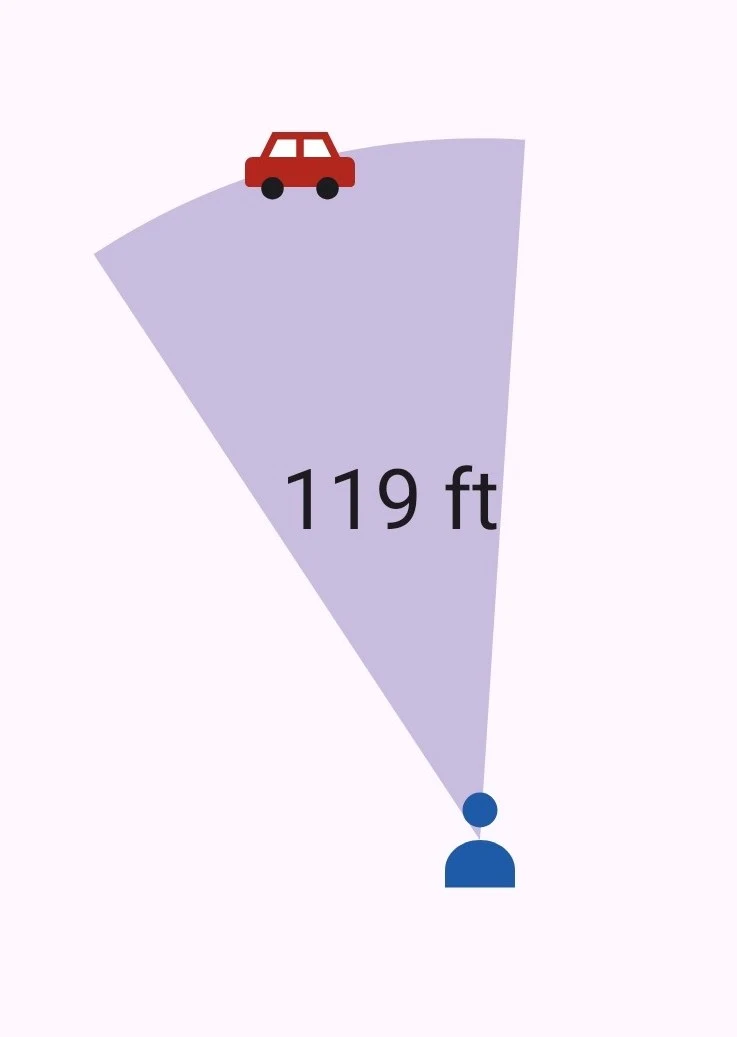
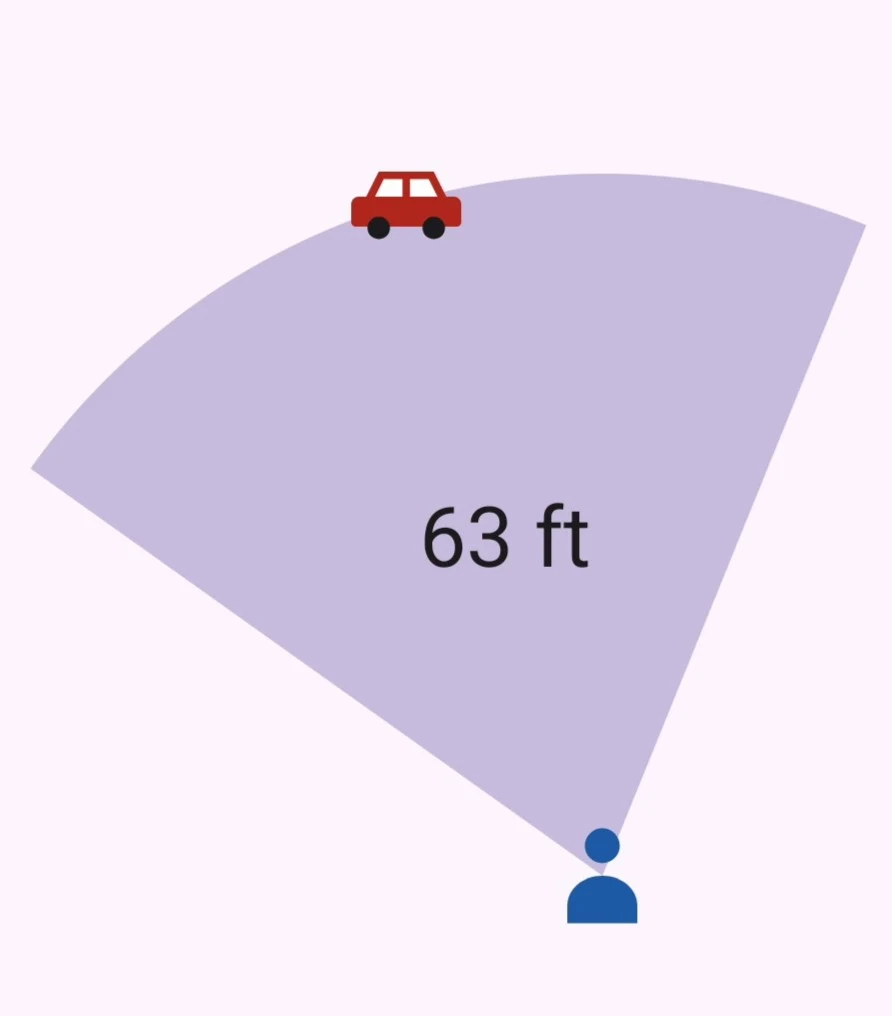
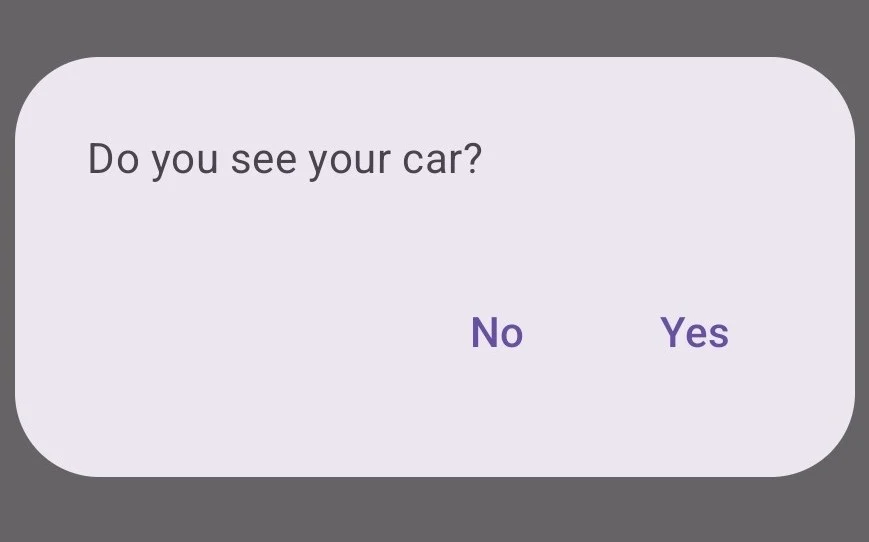
It monitors the phone's location and movement in the background. When it determines that you've parked, it records the location. Later, when you want to find your car, the app displays the direction and distance to the saved location.
The guidance interface is designed to account for uncertainty in the location and compass readings, rather than assuming the phone always knows exactly where the car is.



How I built it
I used GitHub Spec-Kit and a Spec-Driven Development (SDD) process to build the Android MVP in Kotlin. I wrote no code myself; the implementation was produced through the AI-assisted development process.
I ran multiple rounds of analysis and refinement, partly to improve the application and partly to investigate what the process could reveal about software quality and technical debt.
It found real problems. For example, the analysis identified a background service that was supposed to increase GPS sampling as the phone approached a likely parking event but did not actually do so.
That was an important result. The process wasn't just generating code; it was helping identify discrepancies between what the application was supposed to do and what the implementation actually did.
What I learned
The experience taught me as much about the development process as it did about the application.
- Structured analysis can expose implementation defects. Repeated analysis identified problems that weren't obvious from the intended design alone.
- Human oversight needs context. AI agents can produce commands, results, and authorization requests faster than a person can evaluate their implications. I used a separate Claude Cowork conversation as an engineering overseer to help explain decisions and assess their consequences.
- Requirements traceability needs to extend into implementation. Connecting tasks to a specification is not enough if code fixes can drift away from the intended behavior.
- Complex requirements need structure. As systems grow, a flat representation of requirements becomes increasingly inadequate for preserving relationships across multiple levels of decomposition.
These observations led to my next project, SDD Agent, an effort to extend Spec-Driven Development with stronger requirements traceability, hierarchical validation, and oversight of changes that might affect application intent.
CarFinder Production: what's next
The MVP is a starting point, not the finished product.
The planned production version will expand the application beyond its initial parking-detection and guidance capabilities. Areas under consideration include smarter parking detection, parking history, map-based displays, and additional location-finding capabilities.
The longer-term vision also includes a companion smartwatch application that can help locate a paired phone.
The production requirements are being developed as part of my ongoing work on SDD Agent. This creates an opportunity to apply the lessons from the MVP to the next development cycle.